Commercial Flood Damage Cleanup in Albany, IN
Pallets, fixtures, and records packed out and inventoried while the crew dries your Albany building section by section.
For Commercial Flood Damage Cleanup in Albany, Albany Water Restoration brings the equipment, the certifications, and the paperwork: 24/7 response, written scopes, and insurance claim support. Call (812) 515-1567 for dispatch.
- Service: Commercial Flood Damage Cleanup for Albany homeowners
- Service area: Albany, IN and surrounding areas
- Response time: 24/7 answering with priority emergency dispatch across Albany
- Licensed and insured (License #RC21100059)
- Serving Albany, IN since 2018
Commercial Flood Cleanup in Albany
We handle commercial flood cleanup across Albany, and we'll start with the areas your business needs back first.
Flood Exposure Here
Flood risk here runs highest for sites close to the Mississinewa River. Your building's own flood exposure gets mapped when we walk the site with your facilities contact.
Our flood crews work commercial sites throughout Albany, including the blocks around Albany Elementary School and Delta High School. We also handle commercial flood cleanup in Gaston, Eaton, Portland and Muncie.
Commercial Flood Damage Cleanup for Albany Businesses
High groundwater in low parts of Indiana can push water up through slab joints and floor drains even when nothing has overflowed outside. A sump pit that loses power during a storm lets the level climb fast. Albany Water Restoration handles commercial flood damage in Albany when groundwater and surface water have both reached the lower level, and treats that water as contaminated until the crew knows otherwise.
Areas that took on floodwater need a controlled way in, so Albany Water Restoration sets barriers and signage at the edge of the work zone on commercial floods in Albany and marks a single entry with a wash station for boots and tools. An entry log shows who went in, and the boundary moves as each section reaches dry standard.
Content pack out runs alongside the drying. Inventory, fixtures, records, and equipment come off the wet slab and get inventoried by item, quantity, and condition. Anything needing controlled conditions goes to climate controlled storage under a numbered list, and the list is what comes back when it's time to return contents to the building, so nothing gets argued about at the end of the job.
Many policies expect the owner to take reasonable steps to limit further damage after a loss, and pumping standing water and starting the drying fit that description. Keep a record of what was done and when. Albany Water Restoration logs when pumping and drying began for your Albany property, and the adjuster decides how those steps are treated under the policy.
You don't have to decide the whole project on the phone. Albany Water Restoration will dispatch a crew to your Albany building within two hours, pump the standing water, map what's wet, and give you a written scope before anything structural comes out. That's enough to stop the loss from growing while you talk to your carrier and your ownership group about the rest.
Signs You Need Commercial Flood Damage Cleanup
If you notice any of these in your Albany building, schedule a free inspection before the issue worsens.
A dark tide line on drywall or wall base running along a corridor at a consistent height
Foundation wall or slab joint still seeping water days after the rain ended
Water staining on stairwell walls or landings leading down to a basement or garage level
Water standing in the elevator pit, or a sump or pit alarm that keeps calling in overnight
A musty or sour smell strongest at return air grilles or when the air handlers first start up
Floors that stay cold and damp for days after the water is gone, even with the HVAC running
Standing water visible across more than one bay or section of a warehouse or retail floor
Beads of moisture under plastic sheeting or mats taped to a concrete floor for a day or two
Floor drains backing up or holding water long after the last discharge into them
Sewer smell on the lower level after floodwater came up through the floor drains
How Albany Water Restoration Handles Commercial Flood Damage Cleanup
We follow these steps in order on every Albany job.
Waterline and Condition Photos
Before anything moves, the crew photographs the building as the water left it. Waterline marks get measured at several points in each room, with depths and heights logged beside the photos.
Source and Contamination Check
The crew records where the water came from and what it crossed, and photographs the entry point. Floodwater and sewer backups get containment with HEPA filtered negative air before anything else, and every load of soaked material that leaves gets documented.
HVAC Coordination
The crew works with building engineering to set the air handlers where they support drying and keep humid air out of unaffected areas. Ductwork and units that sat in water get flagged for your HVAC contractor to check before the system goes back into service.
Daily Documentation
Moisture readings, temperature and humidity logs, equipment counts by room, and photographs get recorded every day equipment runs. Affected materials get compared against dry standard readings taken elsewhere in the same building, so the file shows a drying trajectory an adjuster can follow.
Closeout File and Repair List
You receive the photographs, readings, equipment logs and disposal records in one file, along with a list of what was removed room by room. The people doing the repairs can scope from that list.
Commercial Flood Damage Cleanup in Albany
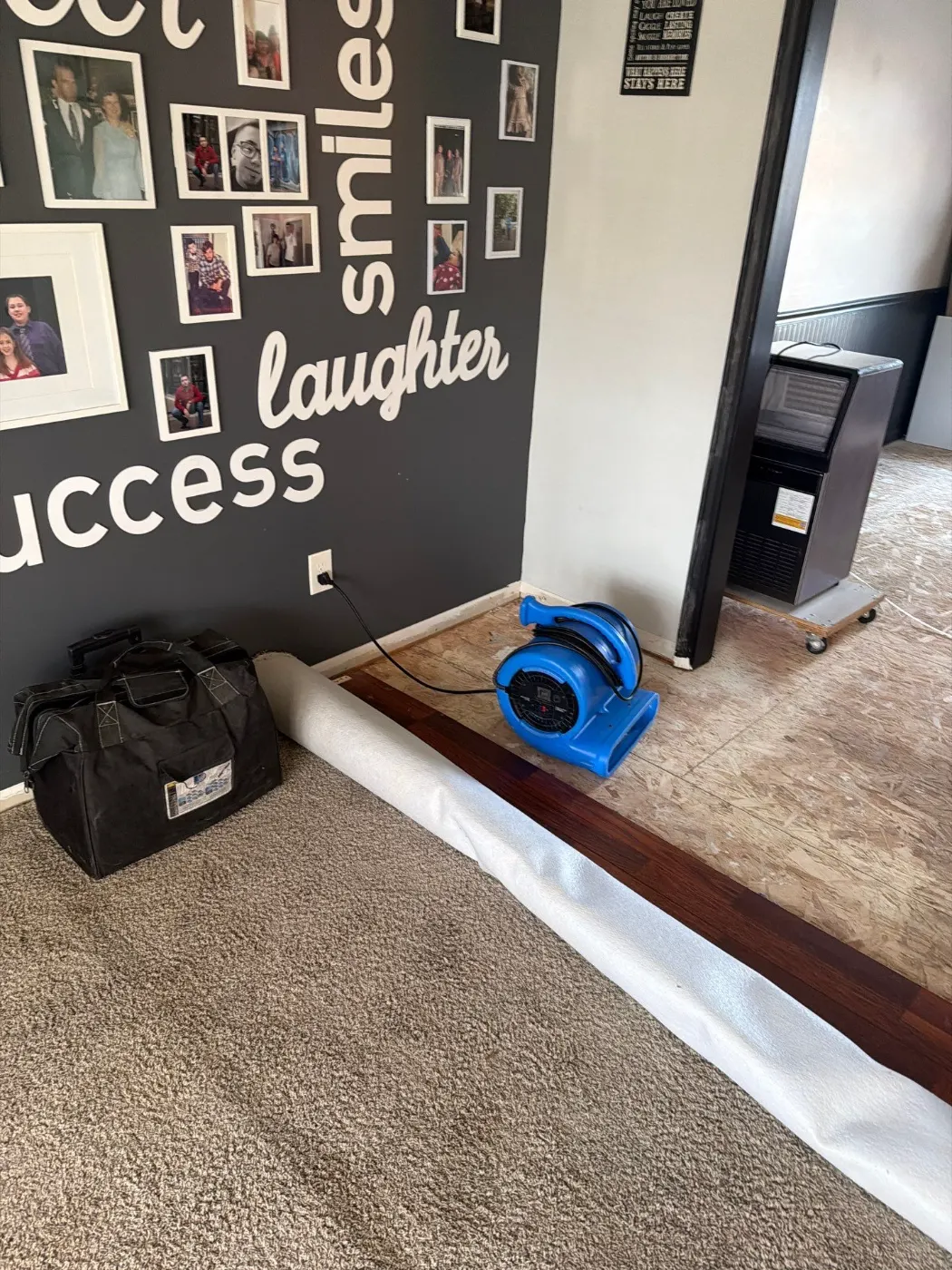
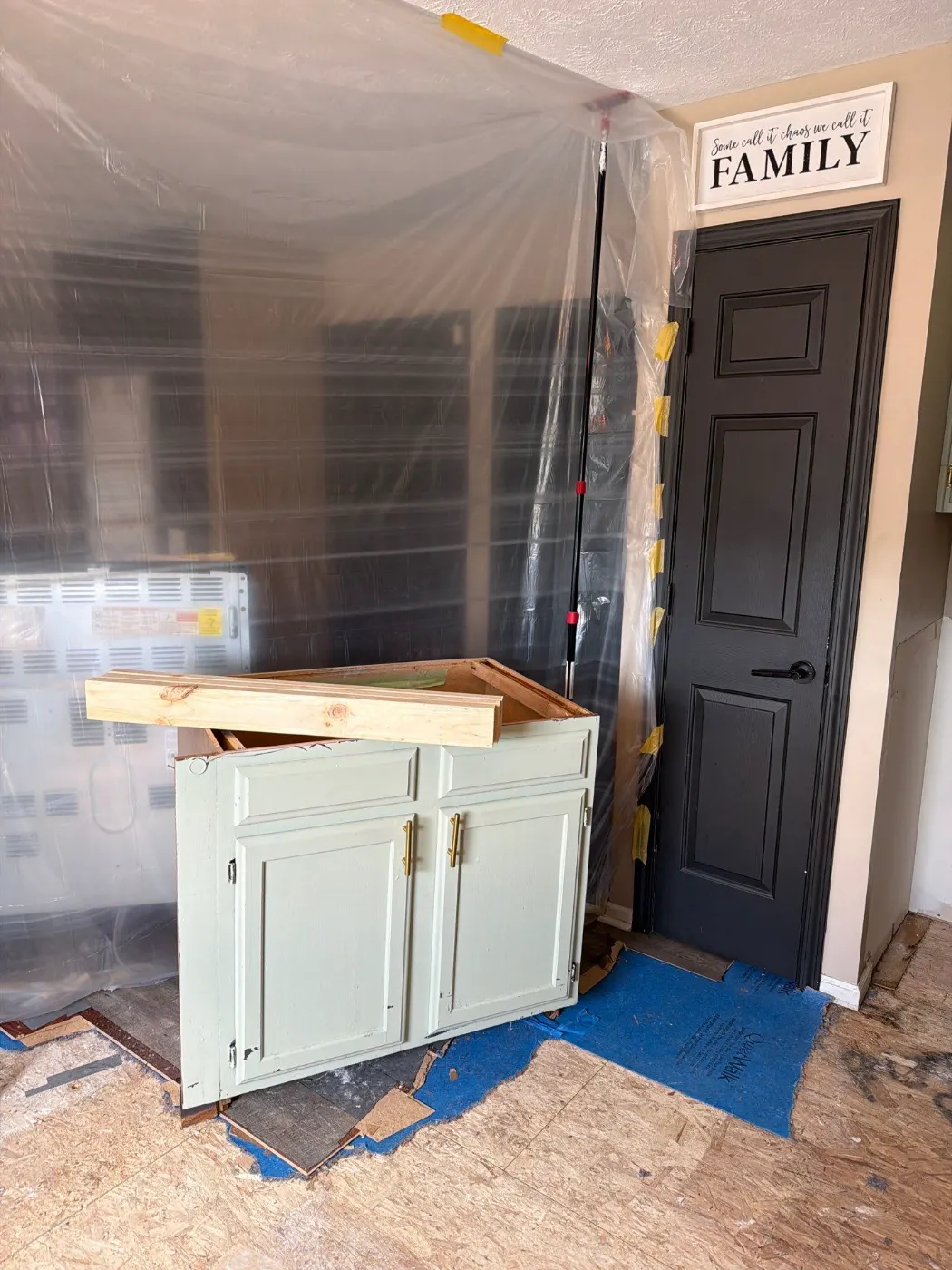
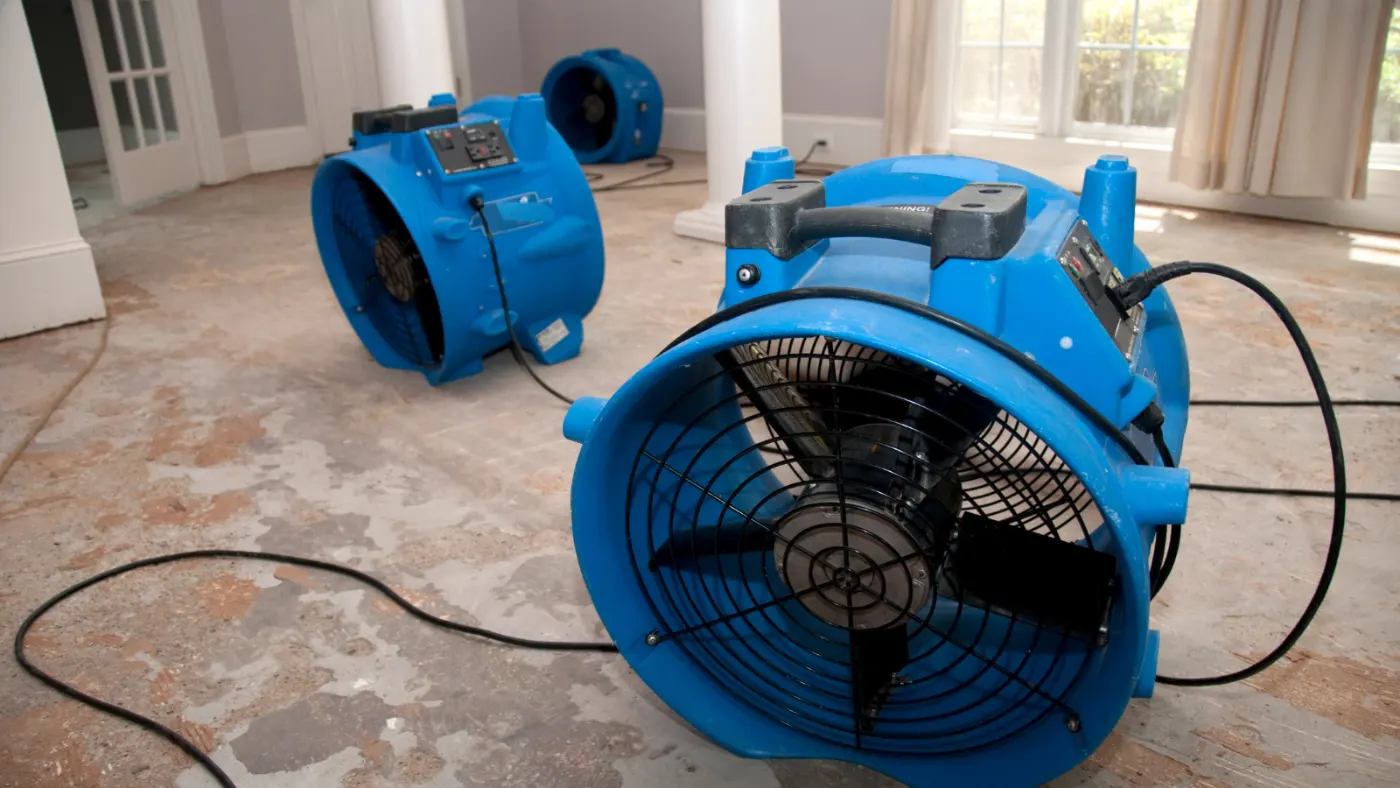
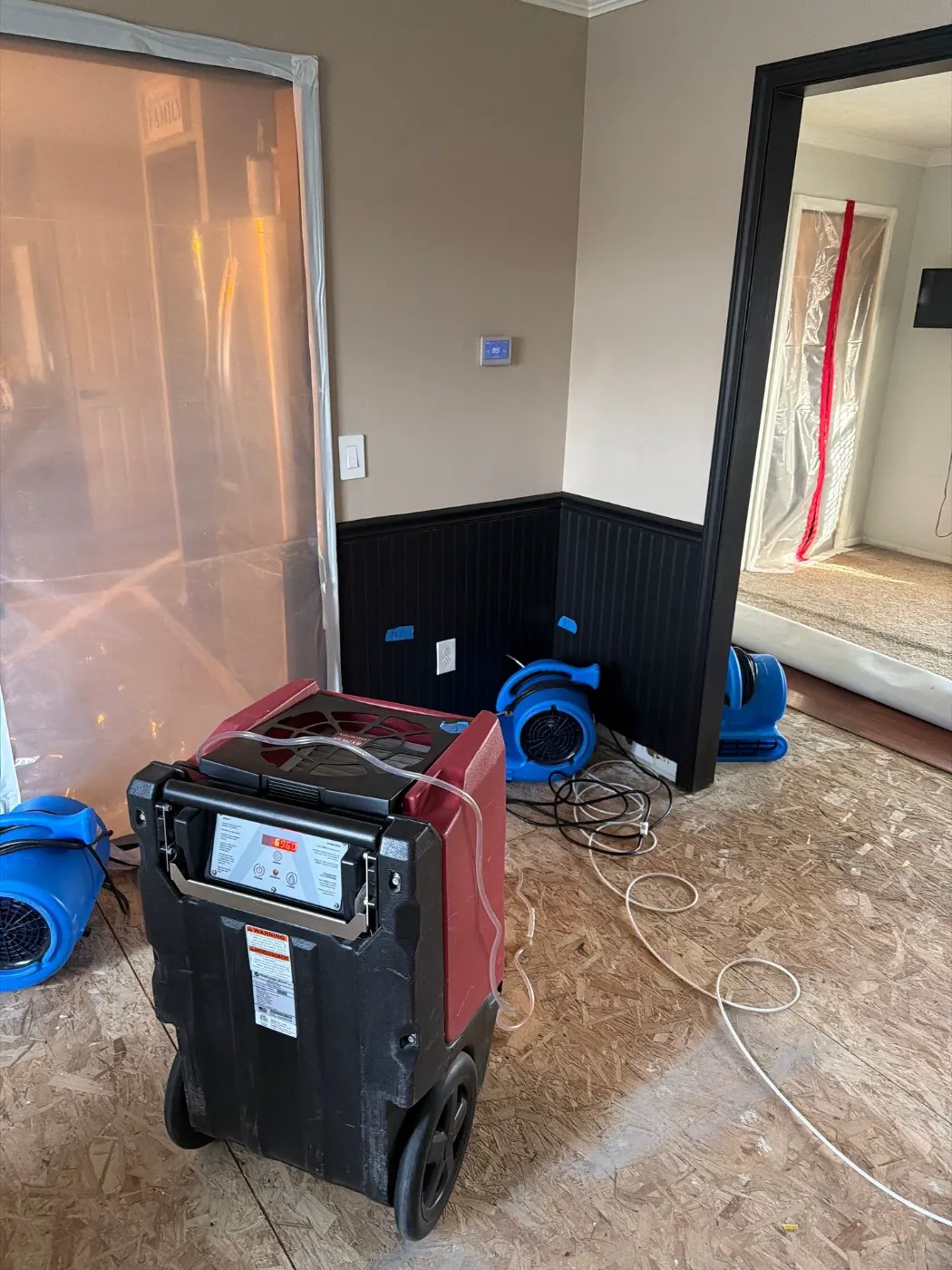
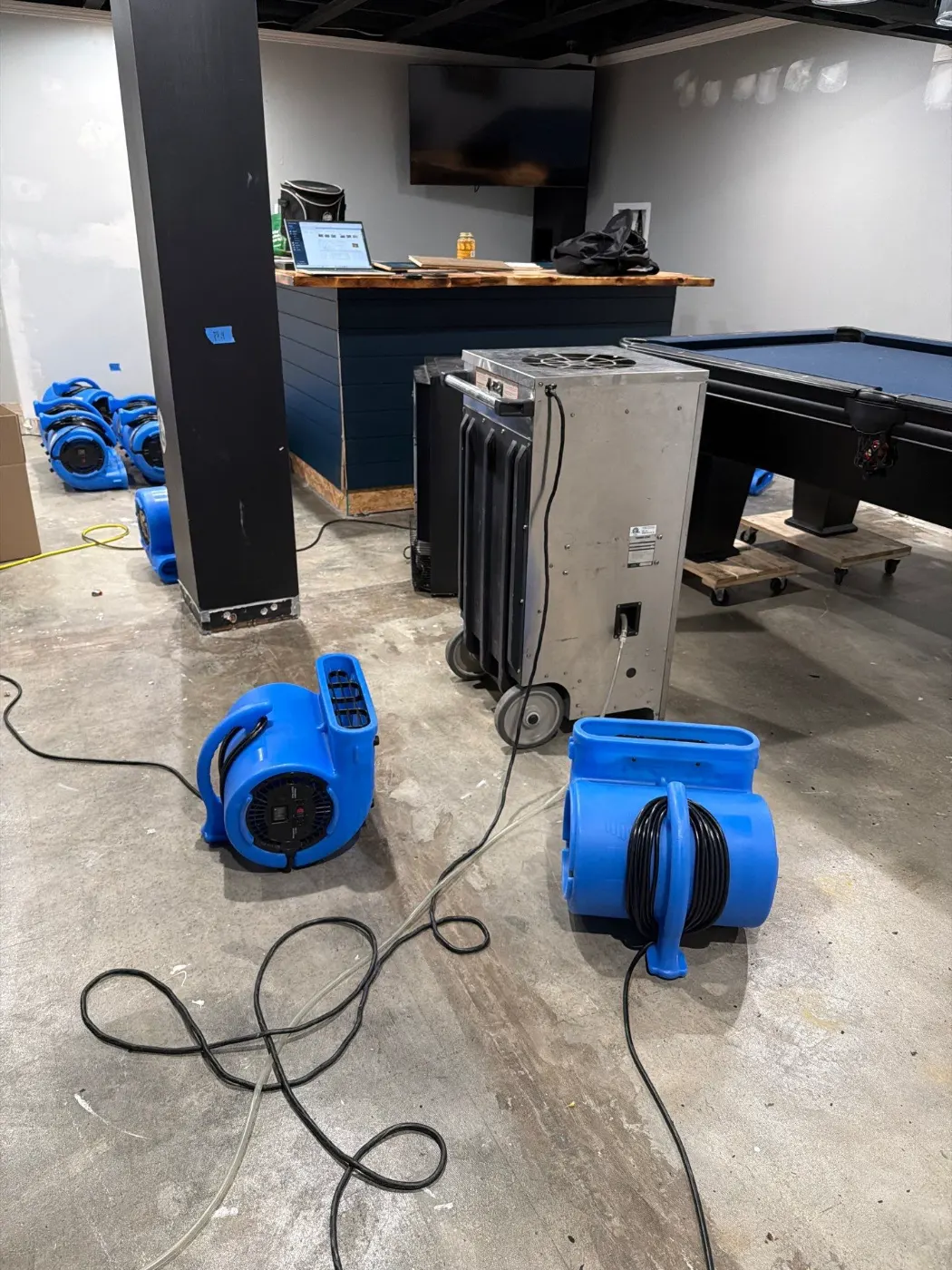
Photographs from real commercial flood damage cleanup jobs completed by our crew in Albany and surrounding areas.
Commercial Flood Damage Cleanup FAQ
Questions Albany property managers ask us about commercial flood damage cleanup.
Guidance and Standards for Commercial Flood Damage Cleanup
- The ANSI/IICRC S500 is the published standard for professional water damage restoration. The current edition is the Fifth Edition, 2021. IICRC S500 Standard
- EPA advises drying water damaged areas and items within 24 to 48 hours to prevent mold growth. EPA: A Brief Guide to Mold, Moisture and Your Home
Albany Neighborhoods We Serve
We take commercial flood damage cleanup calls in every part of Albany. Pick your neighborhood for local details.
Other Restoration Services in Albany
Albany Water Restoration handles the full scope of restoration work. Explore our other services below.
Water Damage Restoration in Albany
24/7 emergency response. IICRC certified water restoration from extraction to full dry out.
Learn more →Basement Flooding in Albany
Basement water emergencies handled fast. Extraction, drying, mold prevention.
Learn more →Sewage Cleanup in Albany
Category 3 biohazard cleanup. Full containment, decontamination, structural restoration.
Learn more →Request Commercial Flood Damage Cleanup
Reach Us Directly
Our team is available 24/7 for emergencies and ready to schedule inspections during business hours.
Need Immediate Help?
For active water or mold emergencies, call us directly. We are available 24/7.