Storm Damage in Albany, IN
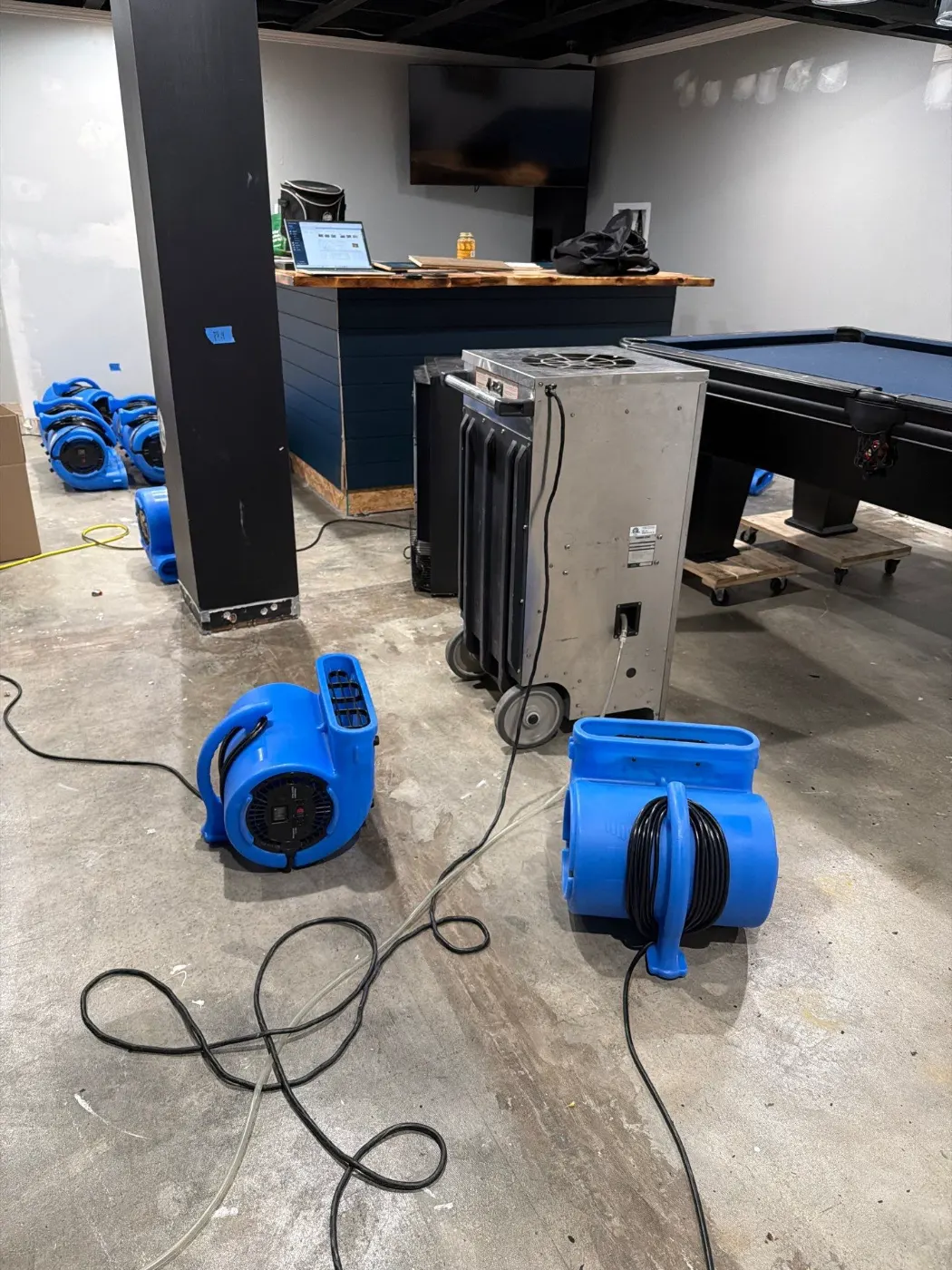
Surface water at your Albany doors and garage extracted and contained, with every step photographed.
When Albany homeowners need Storm Damage, Albany Water Restoration responds 24/7 with certified technicians, fast equipment deployment, and claim ready documentation. Call (812) 515-1567 for immediate dispatch.
- Service: Storm Damage for Albany homeowners
- Service area: Albany, IN and surrounding areas
- Response time: Same day emergency response for Albany; 24/7 availability
- Licensed and insured (License #RC21100059)
- Serving Albany, IN since 2018
Storm Damage Cleanup in Albany
We handle storm damage cleanup across Albany, from tarping the opening to drying the house underneath it, and we're out day or night.
Where Storm Water Ends Up
Homes near the Mississinewa River can see rising water after heavy rain. With full basements common here, a big storm can bring water in from below as well as through the roof. That makes it a basement flooding job too.
After a storm we can be anywhere in Albany, from Riverside to the roads around Delta High School and Albany Golf Club. Nearby, we also dry out storm damage in Eaton, Portland, Muncie and Yorktown.
Expert Storm Damage for Albany Homeowners
After days of heavy rain, the ground around your Albany home holds all it can, and the next downpour pushes water through the floor joint and the cracks in the foundation wall. A basement can take on water this way with every pipe and appliance intact. Albany Water Restoration extracts the water and dries the structure on storm calls across Delaware County, with readings that show how far it spread.
Albany Water Restoration handles the ceiling and the finishes once the readings show the cavity is dry. Insulation goes back to the recorded depth, the ceiling board gets hung, taped and textured, and paint and trim follow. You approve the rebuild scope in writing first, and the drying readings stay in your file for your Albany home.
Opening a ceiling is a decision made from readings. Where the meters show a wet cavity and the material still has integrity, crews cut relief holes or inspection ports and dry through them. Where the drywall is saturated and sagging, it comes down on a cut line the drywall crew can finish cleanly later. Either way the photos and the readings land in the file before the saw comes out, so there's a record of why.
If you're deciding whether to file at all, the readings help. Albany Water Restoration inspects the storm damage in your Albany home and walks you through the moisture map and the photos before you call your insurance company. Filing is your decision, and your agent can explain your policy. The documentation works whichever way you go, and it stays yours.
If there's water coming in through your roof or a wall in Albany right now, the useful next step is a phone call. Albany Water Restoration dispatches a crew at any hour to cover the opening and get extraction started. You'll get a moisture map that shows how far the water went.
Signs You Need Storm Damage Restoration
If you notice any of these in your Albany home, schedule a free inspection before the issue worsens.
Thick ice built up in the gutter with icicles hanging along the edge of the eave
Drywall below a window that feels soft or crumbles when pressed
Clothes or boxes against an outside wall that feel damp after wind driven rain
Dark staining or rusted nail points on the underside of attic sheathing and rafters
Baseboard swollen at the bottom edge or pulling away from the wall it was nailed to
Ceiling stains in a hallway or closet far from any bathroom
Damp, earthy air when you open the attic hatch or pull the attic ladder down
A pin moisture meter reading far above the same wall in a dry room
Moisture beading on outlet covers or switch plates along a wall that water ran down
Plaster ceilings with fresh hairline cracks and a dull, damp look
How Albany Water Restoration Handles Storm Damage
We follow these steps in order on every Albany job.
Power and Safety Check
The crew looks for water near outlets and light fixtures and keeps affected circuits off. Sagging ceilings and slick floors get marked before anyone starts work, and wet electrical gear gets flagged for an electrician.
Moisture Mapping
Thermal imaging and penetrating meters cover every room under and beside the intrusion, plus baseline readings in unaffected areas of the same house. The map shows how far water tracked through framing and insulation, and it's what decides which surfaces get opened.
Sump and Drain Check
The crew looks at the sump basin and the floor drains to see whether water is still entering or backing up. Anything that needs a plumber or an electrician gets noted, so the basement isn't refilling while the drying runs.
Wet Insulation Removal
Soaked batts and matted blown in get bagged out of the attic and the ceiling cavity, with type, depth and square footage recorded for the rebuild and for the claim. Wet insulation holds water against the ceiling board and loses its insulating value while it's wet.
Progress Review With You
Partway through the job the technician walks the rooms with you and compares today's readings to the first day's. You hear which rooms are dry and which are lagging, and changes to the plan get approved before they happen.
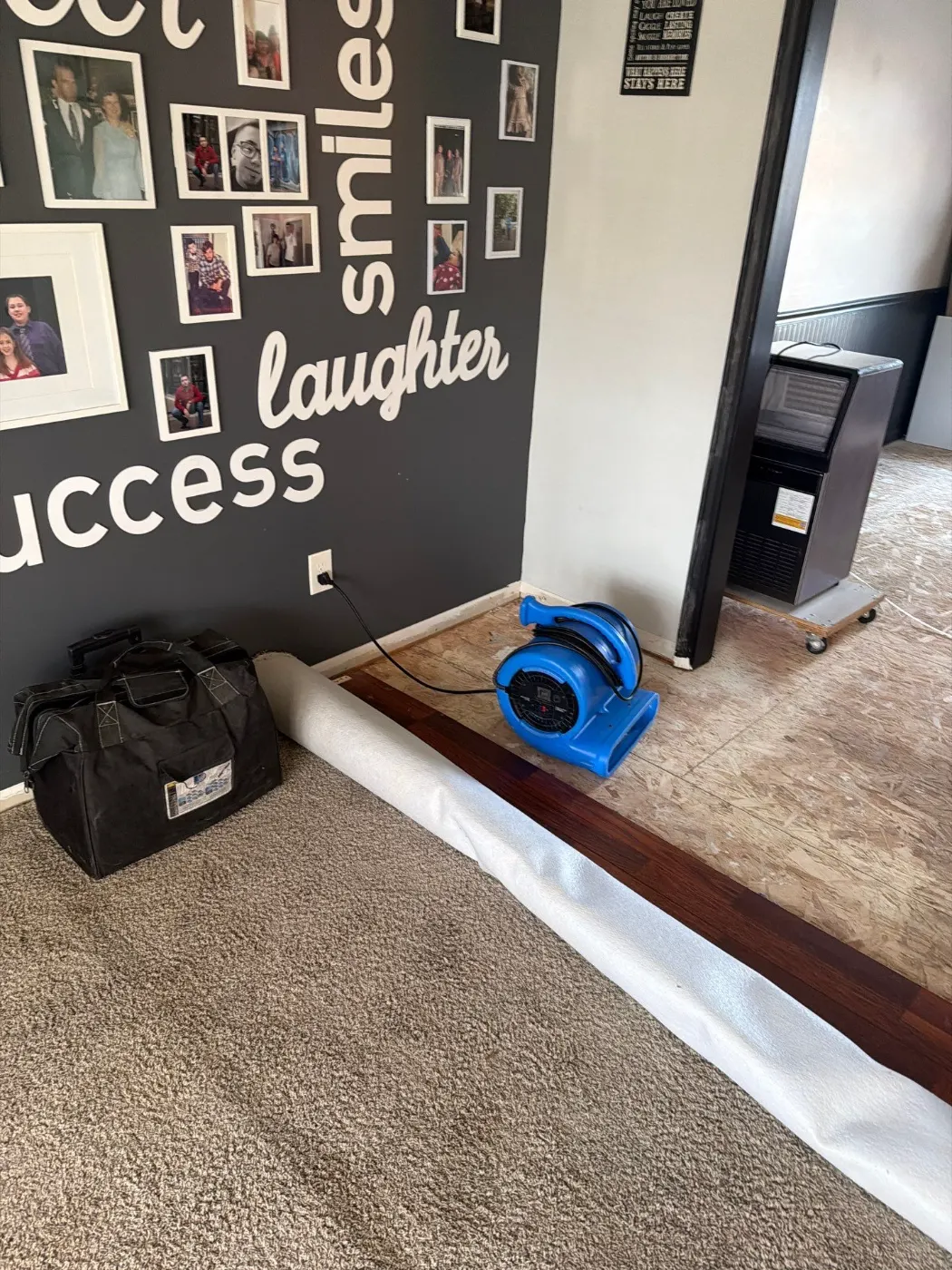
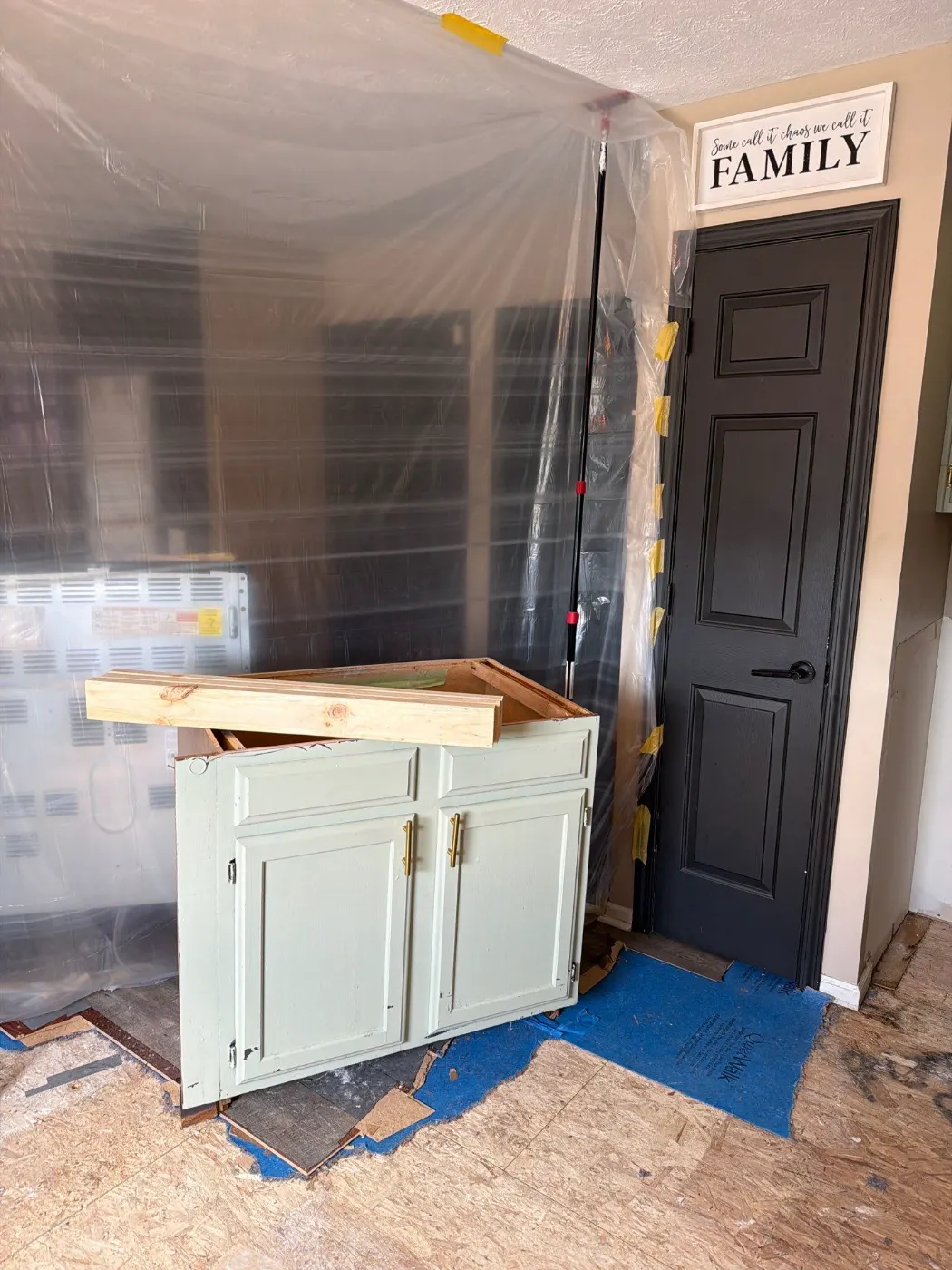
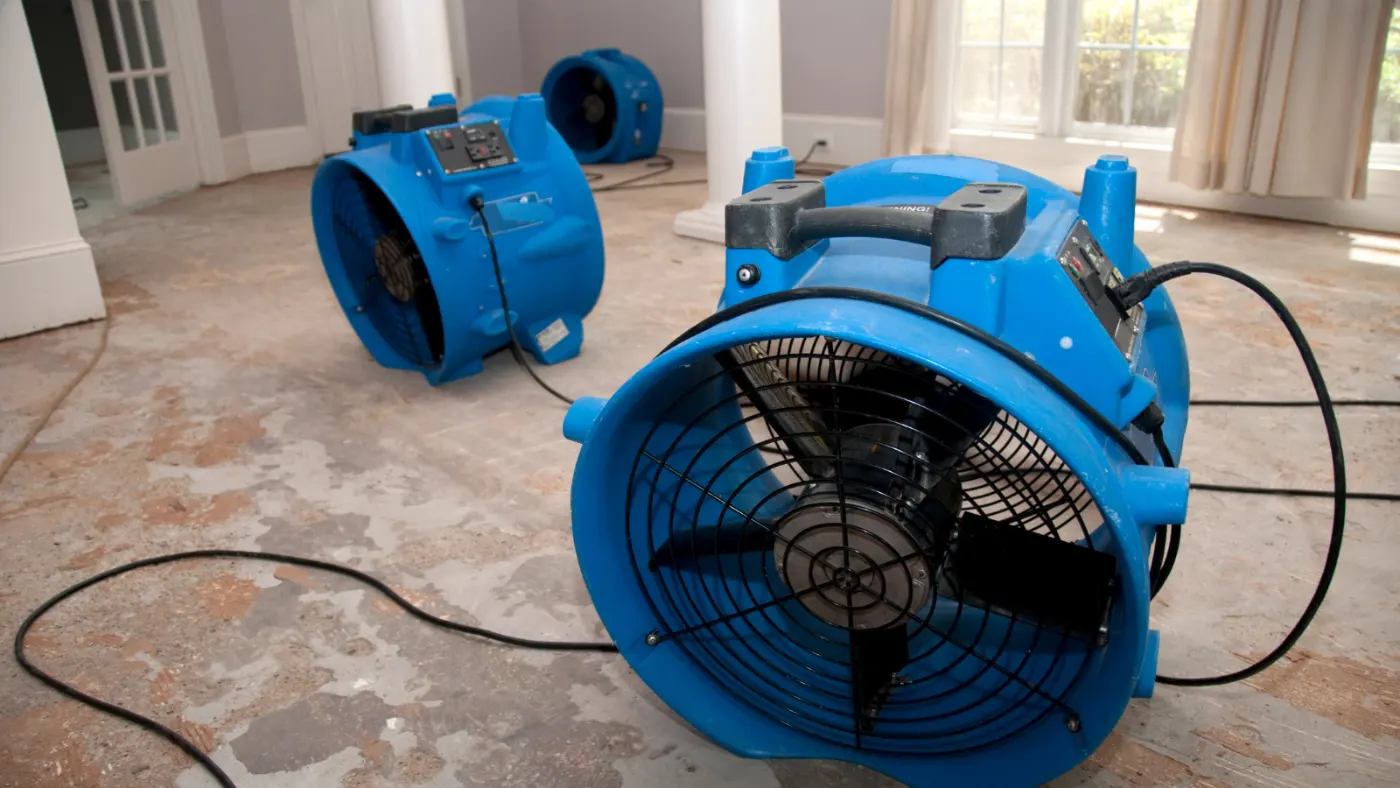
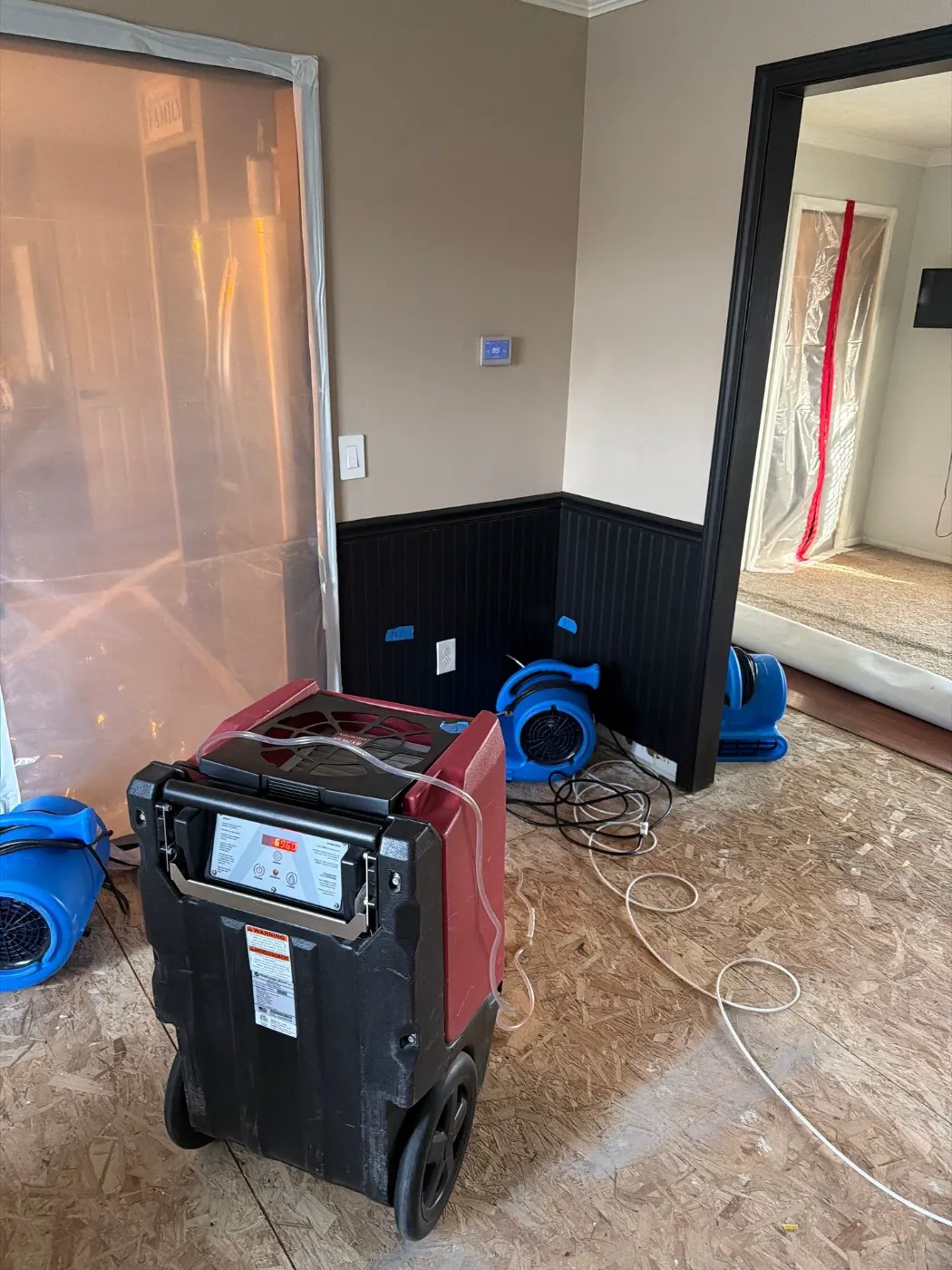
Storm Damage in Albany
Photographs from real storm damage jobs completed by our crew in Albany and surrounding areas.
Storm Damage FAQ
Questions Albany homeowners ask us about storm damage restoration.
Guidance and Standards for Storm Damage
- The National Weather Service office in Indianapolis posts summaries of recent central Indiana storm and flood events. NWS Indianapolis Event Summaries
- The Indiana Department of Insurance advises against permanent repairs before your insurance company inspects the damage. Check your own policy for what it covers. Indiana Department of Insurance: Insurance Claim Tips
Albany Neighborhoods We Serve
We take storm damage calls in every part of Albany. Pick your neighborhood for local details.
Other Restoration Services in Albany
Albany Water Restoration handles the full scope of restoration work. Explore our other services below.
Water Damage Restoration in Albany
24/7 emergency response. IICRC certified water restoration from extraction to full dry out.
Learn more →Basement Flooding in Albany
Basement water emergencies handled fast. Extraction, drying, mold prevention.
Learn more →Sewage Cleanup in Albany
Category 3 biohazard cleanup. Full containment, decontamination, structural restoration.
Learn more →Request Storm Damage Restoration
Reach Us Directly
Our team is available 24/7 for emergencies and ready to schedule inspections during business hours.
Need Immediate Help?
For active water or mold emergencies, call us directly. We are available 24/7.