Commercial Mold Remediation in Albany, IN
In Albany, the growth comes out and the wall stays open until the readings say it's dry.
Albany Water Restoration handles Commercial Mold Remediation for Albany homes the methodical way: scheduled inspection, moisture readings, written scope, then the work. Insurance coordination included on approved claims. Call (812) 515-1567 to book.
- Service: Commercial Mold Remediation for Albany homeowners
- Service area: Albany, IN and surrounding areas
- Response time: Prompt scheduling for Albany assessments, most booked within a day
- Licensed and insured (License #RC21100059)
- Serving Albany, IN since 2018
Commercial Mold Removal in Albany
For commercial buildings in Albany, we'll track down the water feeding mold growth before any material comes out.
Moisture Sources Here
Buildings near the Mississinewa River can take on floodwater, and anything left wet afterward can grow mold. We'll go over the air handling and any past leaks on the first walkthrough with whoever runs the building.
We take commercial mold jobs anywhere in Albany, including the streets around Albany Golf Club and Albany Community Library. We also handle commercial mold work in Yorktown, Selma, Gaston and Eaton.
Commercial Mold Remediation for Albany Businesses
Several complaints from one corridor in the same week is a pattern worth taking seriously. Shared plenums, common wall cavities and a single roof drain can put the same moisture problem behind four different suites. Albany Water Restoration investigates across the whole affected area on Albany commercial properties and treats the complaints as one problem, because remediating one suite while the water keeps feeding the next one wastes the money you spent.
Commercial mold remediation in Albany follows the IICRC S520, the Standard for Professional Mold Remediation, now in its Fourth Edition from 2024. The water damage that usually comes first follows the IICRC S500. Albany Water Restoration documents each assembly that comes out and why, so ownership, a lender or a tenant's representative can follow the work later. The company's water restoration manager is IICRC certified.
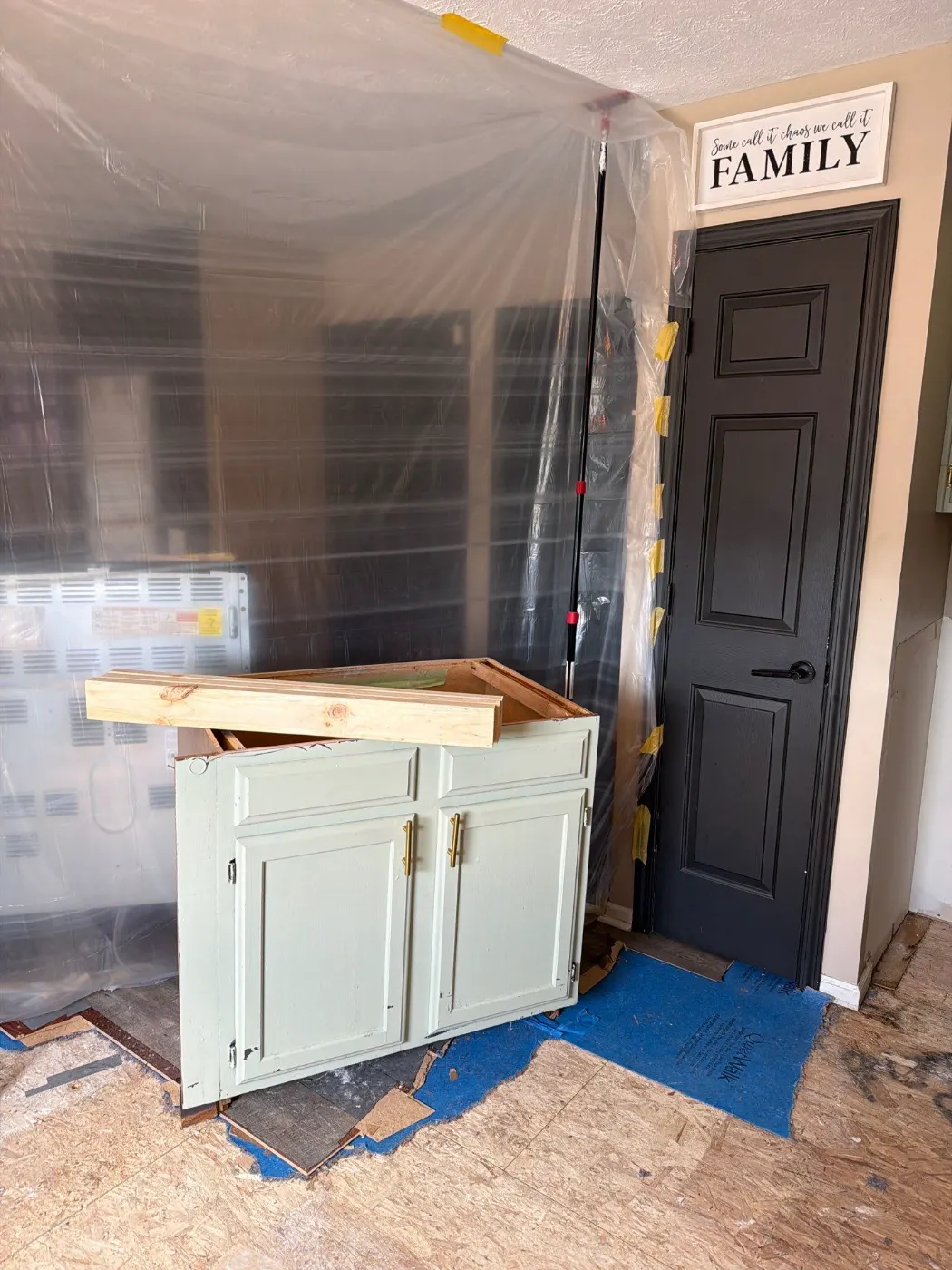
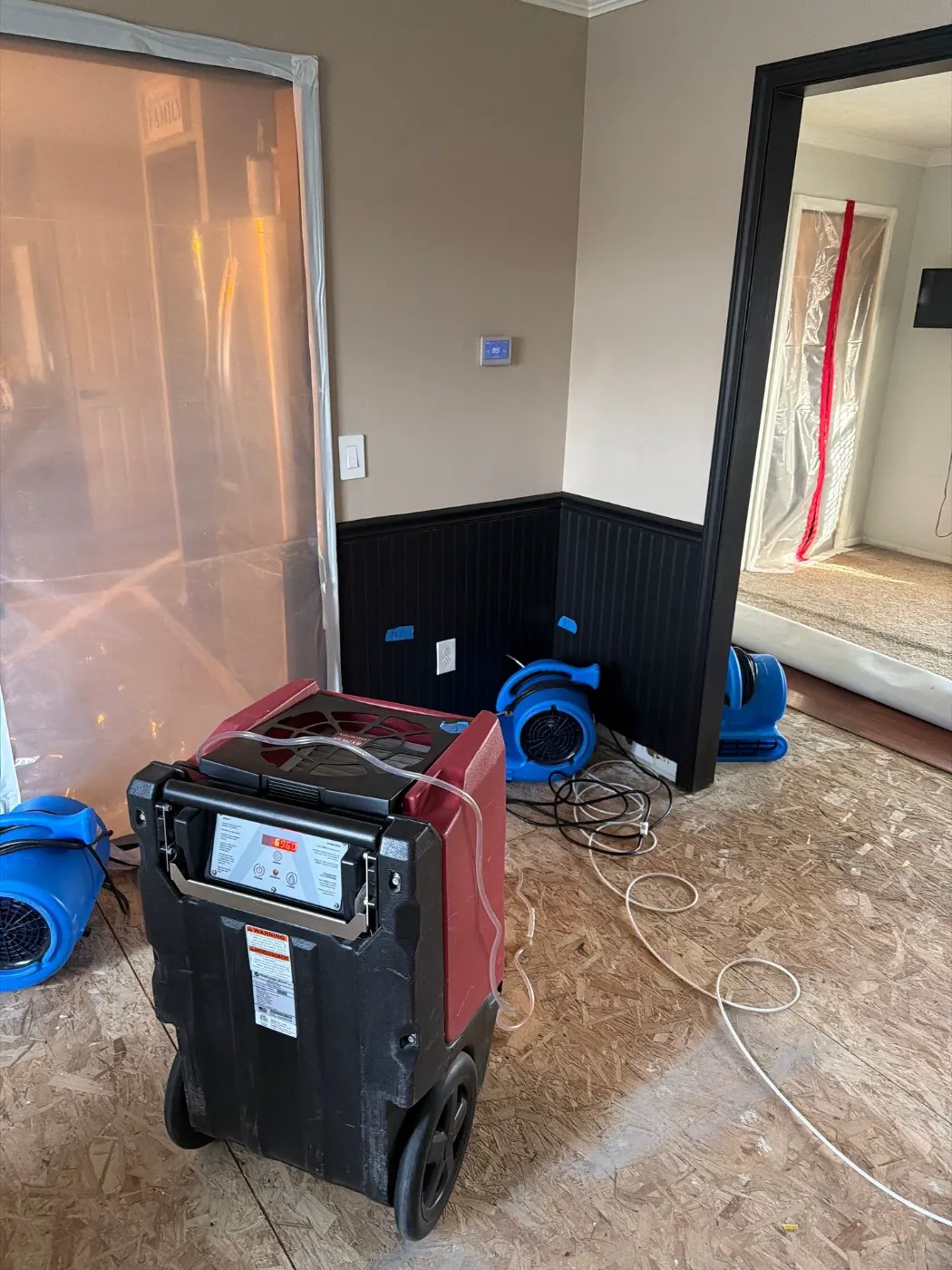
Containment goes up before anything gets disturbed. The Albany Water Restoration crew seals the work area with poly and framing, builds a decontamination entry, and tapes off every supply and return register inside it so the air handling system stops moving air through the zone. Negative pressure comes from HEPA filtered negative air machines exhausting outside the building where that's practical. The occupied floors keep running while the work happens behind that barrier.
Damaged contents belong in the claim file as their own list. Walk the affected area with a camera and record each item and who owns it, since a landlord's policy and a tenant's policy often cover different property. Albany Water Restoration notes in the Albany scope which contents stayed inside containment, and you decide with your broker how to use that list.
Ownership is going to ask what was done and when. Albany Water Restoration runs commercial mold remediation in Albany with the documentation that answers it: dated readings, containment photographs, disposal records and verification results. Call the team to schedule the inspection that package gets built from.
Signs You Need Commercial Mold Remediation
If you notice any of these in your Albany building, schedule a free inspection before the issue worsens.
Pipe insulation above the ceiling that's wet or hanging loose from a chilled water line
A stain running down an interior column or chase wall where a roof leader passes through
Spotting around a supply diffuser or discoloration radiating outward across the ceiling tile
Flooring adhesive letting go in one localized patch, with tiles lifting or releasing at the edges
Loading dock leveler pits that collect water beside an office or break room wall
Condensation forming on the interior face of exterior walls during a cold stretch
Visible growth on the paper facing of batt insulation sitting above the ceiling grid
An inspection report from a buyer's consultant that recommends remediation of one named area
Staining on the underside of carpet or pad that shows when a seam lifts
Odor complaints from several suites in the same corridor or the same vertical stack
How Albany Water Restoration Handles Commercial Mold Remediation
We follow these steps in order on every Albany job.
Initial Call and Access Planning
You describe what you're seeing and Albany Water Restoration asks about the building: occupancy, access rules, who holds the keys and whether anyone has opened the area. That conversation sets up the inspection around your schedule.
Contents and Finish Protection
Furniture and equipment inside the work area get photographed, then moved out or wrapped. Floors and finishes along the haul route are covered, so the rest of the building stays protected while the work runs.
HVAC Isolation
The crew coordinates with the building engineer to shut down or rebalance the affected air handler and seals its registers inside containment. Growth inside the unit or on duct insulation gets flagged for your HVAC contractor, and that work gets scoped separately.
HEPA Cleaning and Detailing
Every surface inside the enclosure gets HEPA vacuumed and wiped, including framing cavities, structural steel, concrete and the floor. Nonporous materials that stayed in place get cleaned and kept. Air scrubbers keep running through this phase and after it.
Containment Teardown
Once cleaning and any verification are complete, the crew HEPA vacuums the barrier and folds the poly inward as it comes down. Negative air machines run until the last sheet is off the framing, and the floor gets a final wipe.
Commercial Mold Remediation in Albany
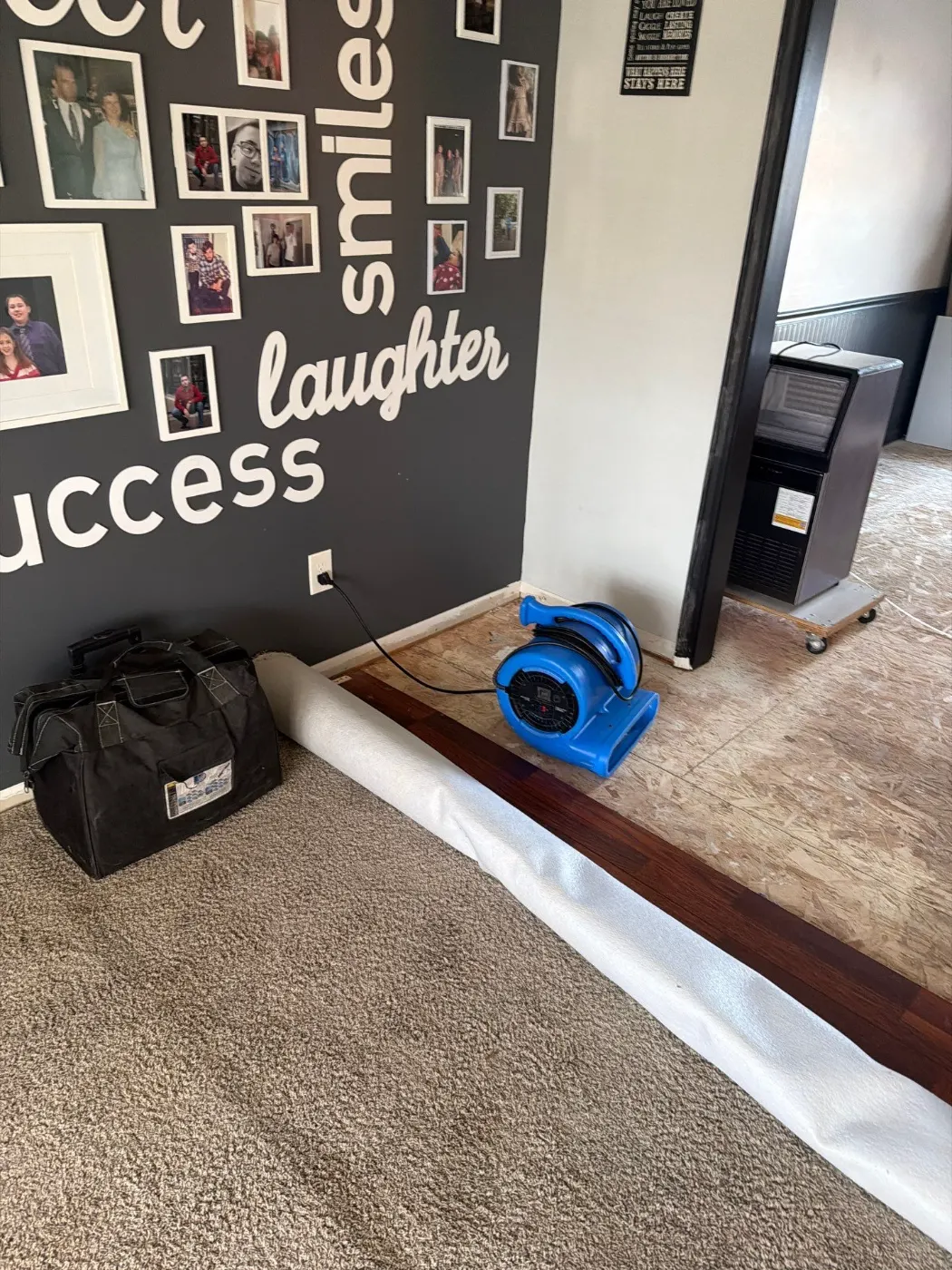
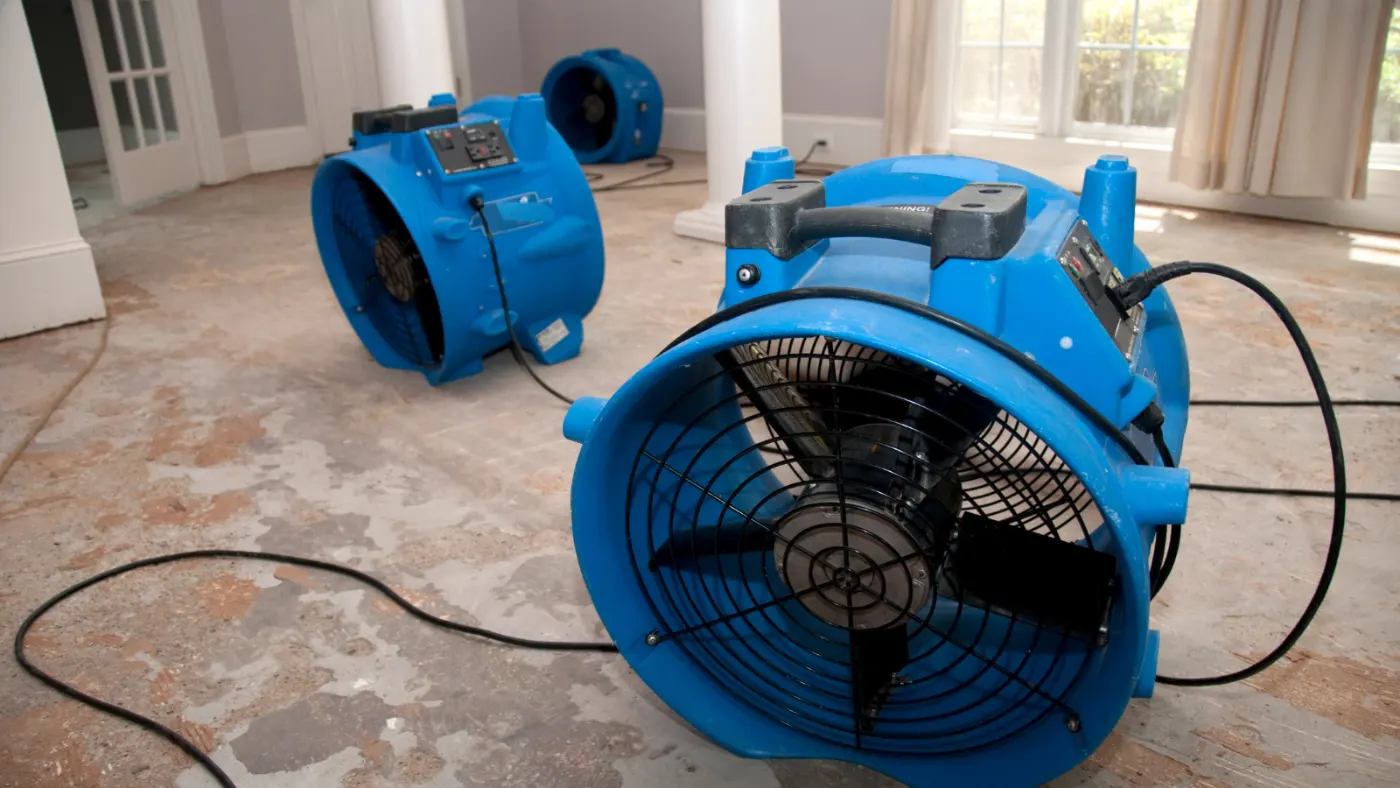
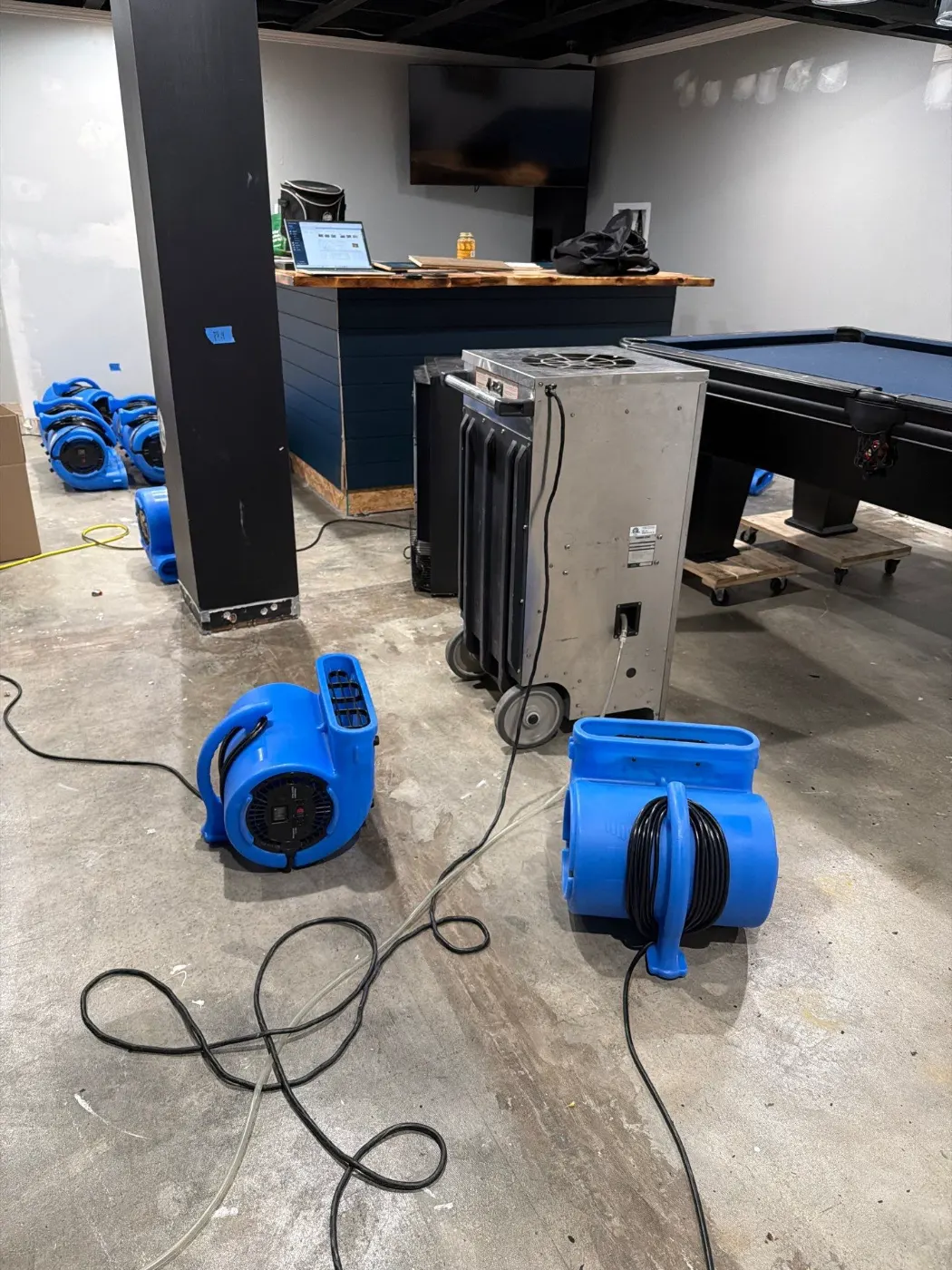
Photographs from real commercial mold remediation jobs completed by our crew in Albany and surrounding areas.
Commercial Mold Remediation FAQ
Questions Albany property managers ask us about commercial mold remediation.
Guidance and Standards for Commercial Mold Remediation
- The ANSI/IICRC S520 is the published standard for professional mold remediation. The current edition is the Fourth Edition, 2024. IICRC S520 Standard
- EPA’s mold guide says the key to mold control is moisture control. EPA: A Brief Guide to Mold, Moisture and Your Home
Albany Neighborhoods We Serve
We take commercial mold remediation calls in every part of Albany. Pick your neighborhood for local details.
Other Restoration Services in Albany
Albany Water Restoration handles the full scope of restoration work. Explore our other services below.
Water Damage Restoration in Albany
24/7 emergency response. IICRC certified water restoration from extraction to full dry out.
Learn more →Basement Flooding in Albany
Basement water emergencies handled fast. Extraction, drying, mold prevention.
Learn more →Sewage Cleanup in Albany
Category 3 biohazard cleanup. Full containment, decontamination, structural restoration.
Learn more →Request Commercial Mold Remediation
Reach Us Directly
Our team is available 24/7 for emergencies and ready to schedule inspections during business hours.
Need Immediate Help?
For active water or mold emergencies, call us directly. We are available 24/7.